
Education
Knowledge is the first tool of prevention.
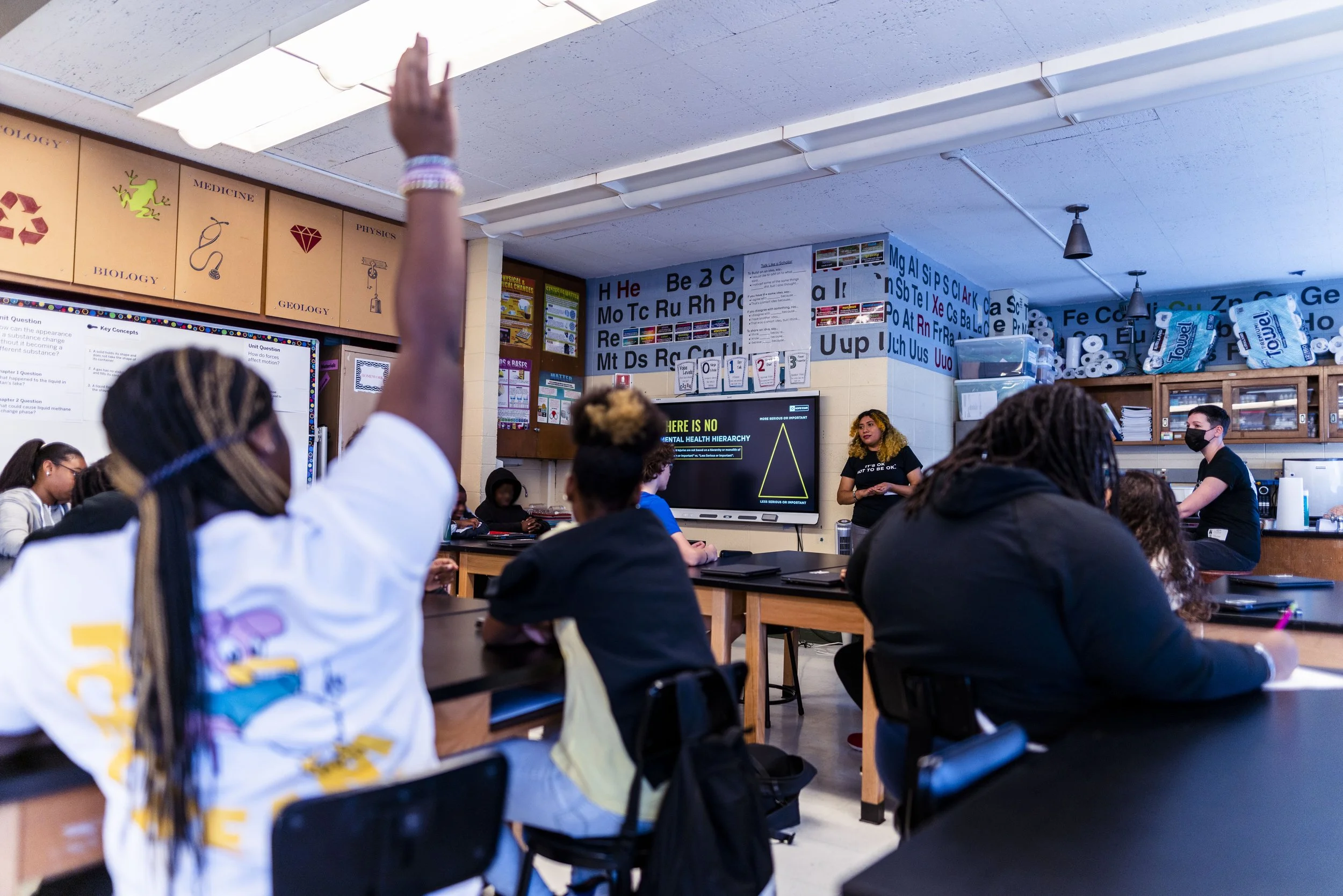
Our peer-led, clinically backed programs bring mental health education and proactive suicide prevention to classrooms, coffee shops, organizations — because this conversation belongs everywhere
Why is Hope For The Day in schools?
Suicide is the second leading cause of death among young people ages 10 - 34.
The goal of our education programming is to provide tools for early recognition and intervention, and to disrupt the highest risk factors for mental health crises and suicide. By starting the conversation about mental health in schools, students can be better equipped to handle real life situations.
Our education is also for the community — teachers, staff, and family — to create a presence in that community, not just in the schools. Through this we can help build open lines of communication and information

Our Programs
H.F.T.D.'s education programming is inspired by lived-experience best practices and endorsed by our clinical advisory board.
We press the discussion about stigma, its impact on individuals and communities, and teach practical skills for early recognition of mental health challenges.
The Things We Don’t Say | Part 1
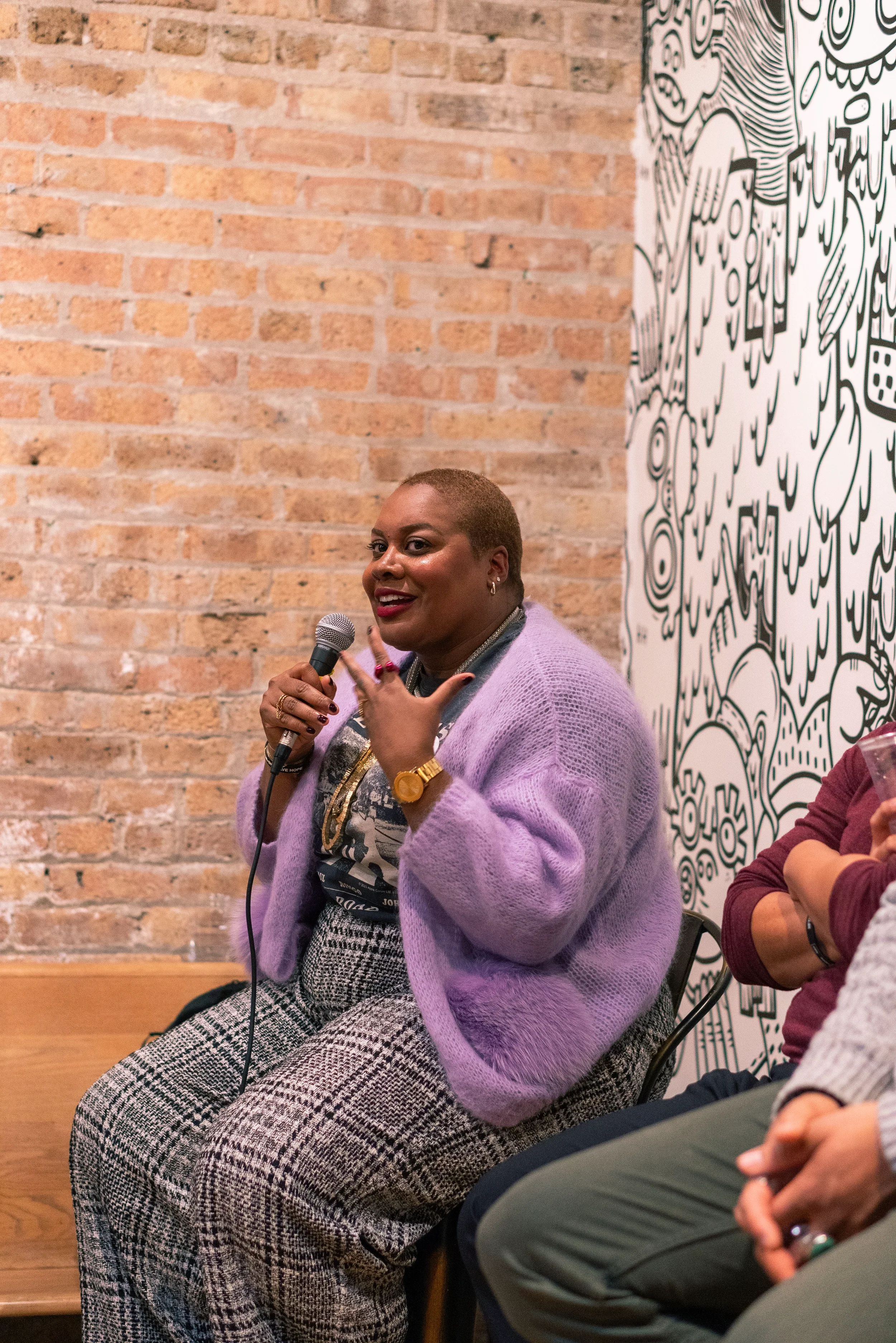
The Things We Don't Say | Part 1 is a bilingual one-hour presentation created by Hope For The Day as an entry-level education on Peer-to-Peer Proactive Suicide Prevention. It provides language and tools to take action on our personal mental health and be supportive to peers in our community.
The Things We Don’t Say | Part 2
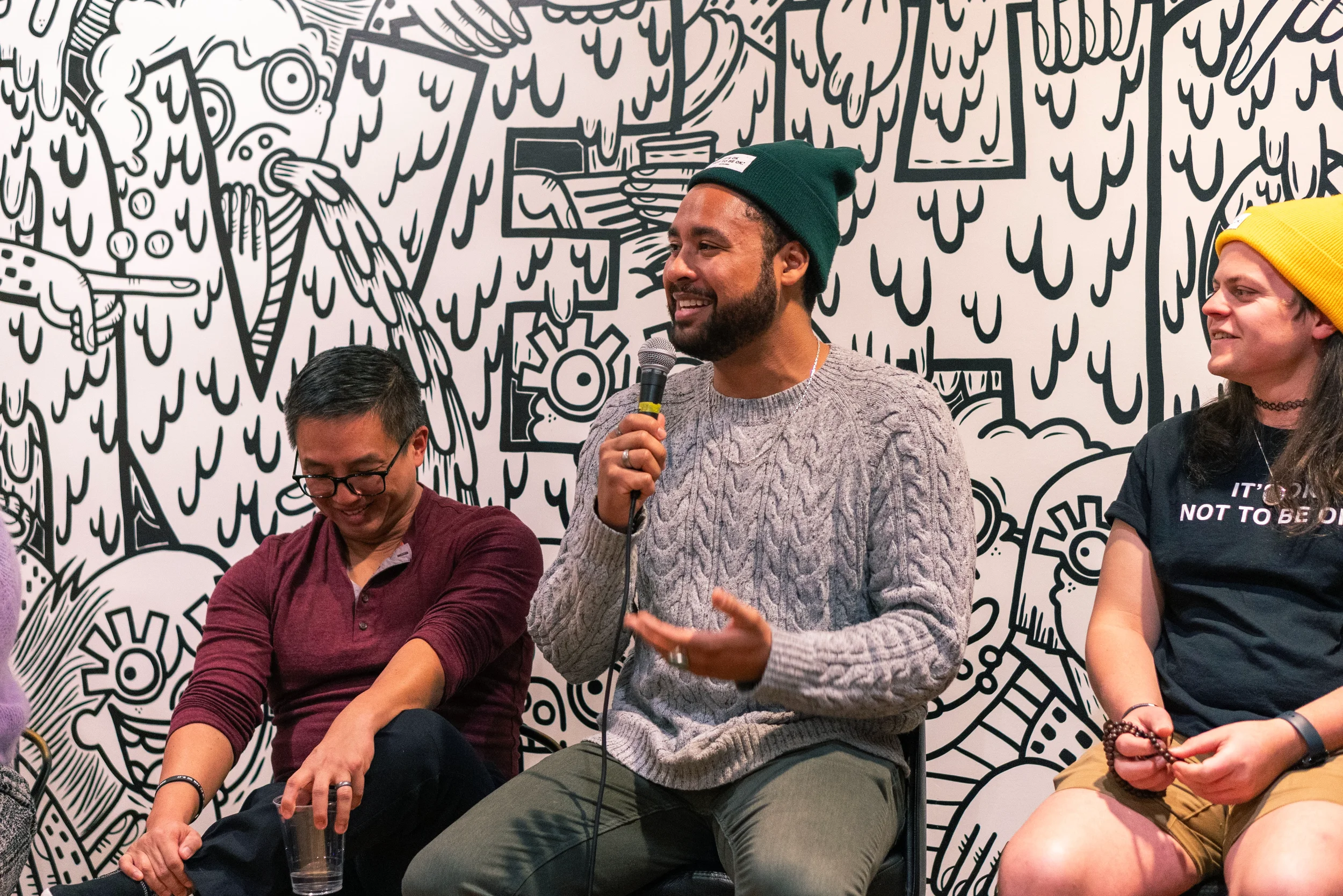
The Things We Don’t Say | Part 2 is a two-hour, clinically backed program that builds on the skills learned in Things We Don’t Say | Part 1. Through roleplaying activities, we teach practical skills for early recognition of mental health challenges that often go unaddressed due to the silence of stigma, building to a crisis stage.

The Things We Don’t Say | E-Learning
The Things We Don’t Say | E-Learning is self paced and available to you anywhere, anytime at your convenience. Through the support of our Partners at WeLearn, our E-Learning workshop was awarded the Brandon Hall Group Excellence award for Best Advance in Custom Content.
The Things We Don’t Say | Identity & Orientation
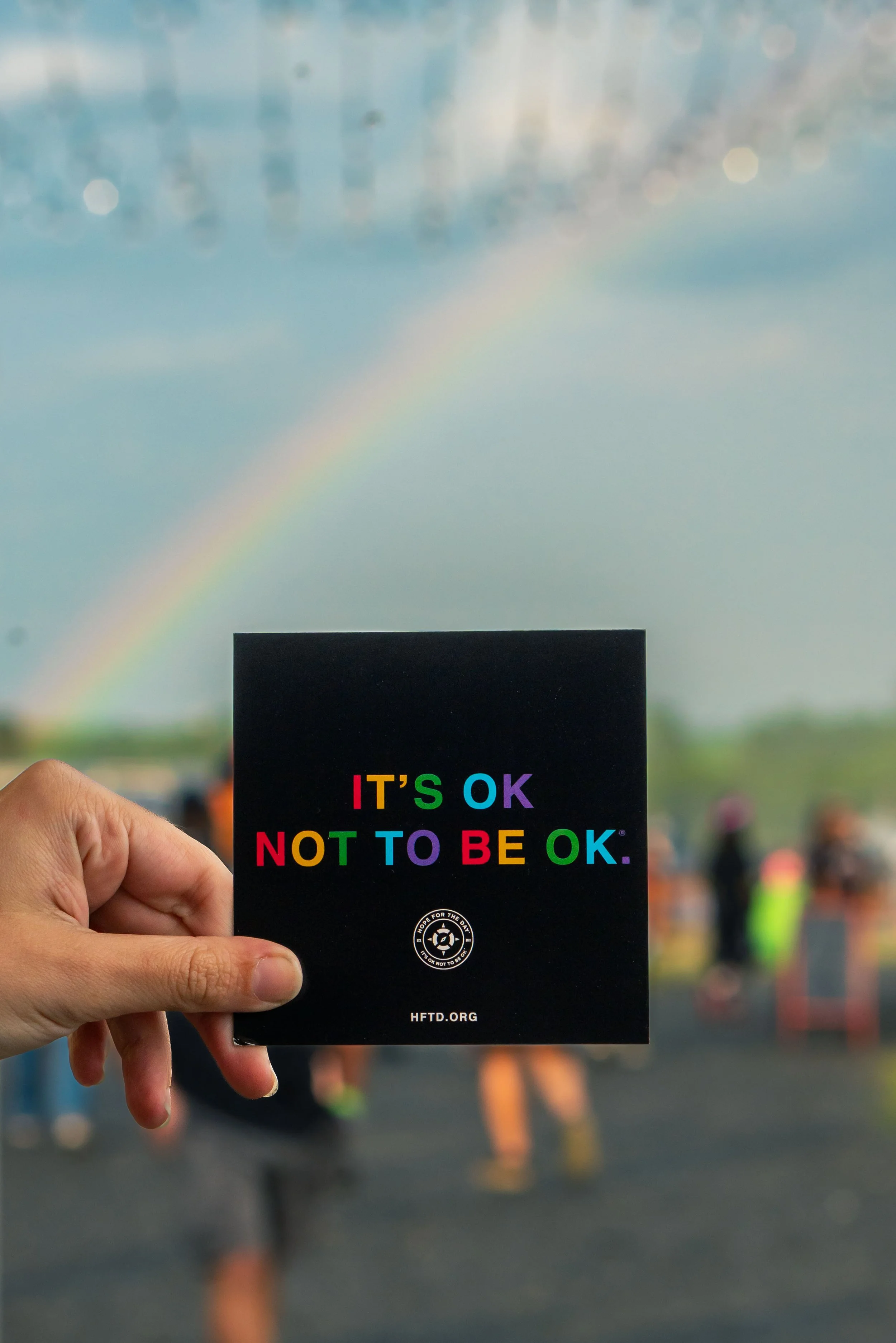
Because of stigma and discrimination, L.G.B.T.Q+ people are more likely than non-L.G.B.T.Q+ people to struggle with their mental health. This platform discusses the unique intersection of L.G.B.T.Q+ experiences and mental health. Built by L.G.B.T.Q+ people, for L.G.B.T.Q+ people.
Partners in Prevention
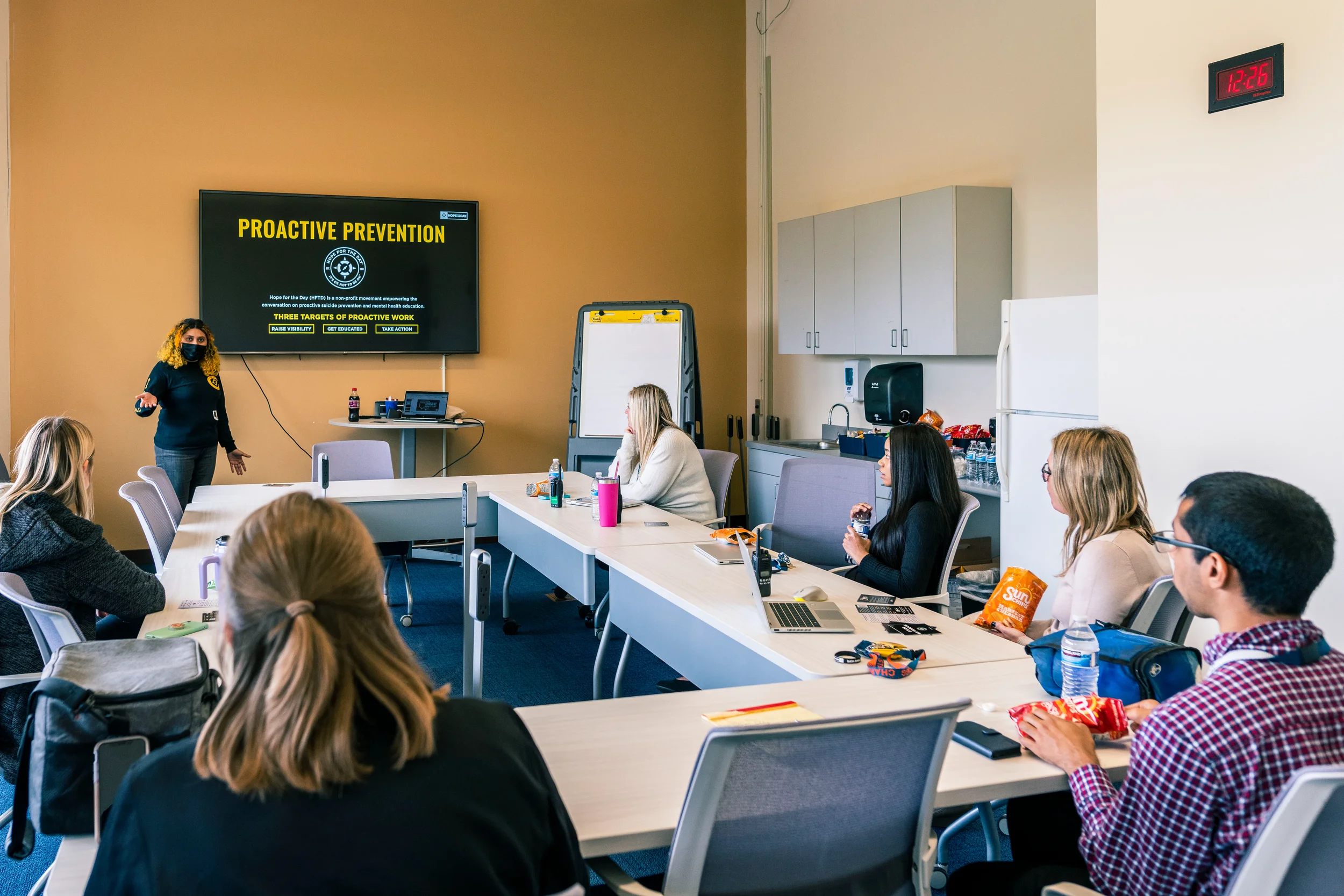
Our corporate workplace education curriculum and action engagement program is focused on partner-specific, customizable strategies aimed at educating employees, as well as raising company-wide awareness of available resources, both internally and externally, in each community.

86 The Silence
86 The Silence is a bilingual mental health education and resource initiative built specifically for the hospitality industry. The program equips teams with proactive suicide-prevention tools, destigmatizing language, and early-intervention strategies that improve staff well-being and operational stability.
Who We Educate


Taught in 110 schools in Chicagoland
Over 28,000 individuals educated
Distributed over 2,000 e-learning licenses
Upcoming Events
Start the ConversationDownload and share free resources from our educational library — guides, toolkits, and conversation starters designed for real-world use.